

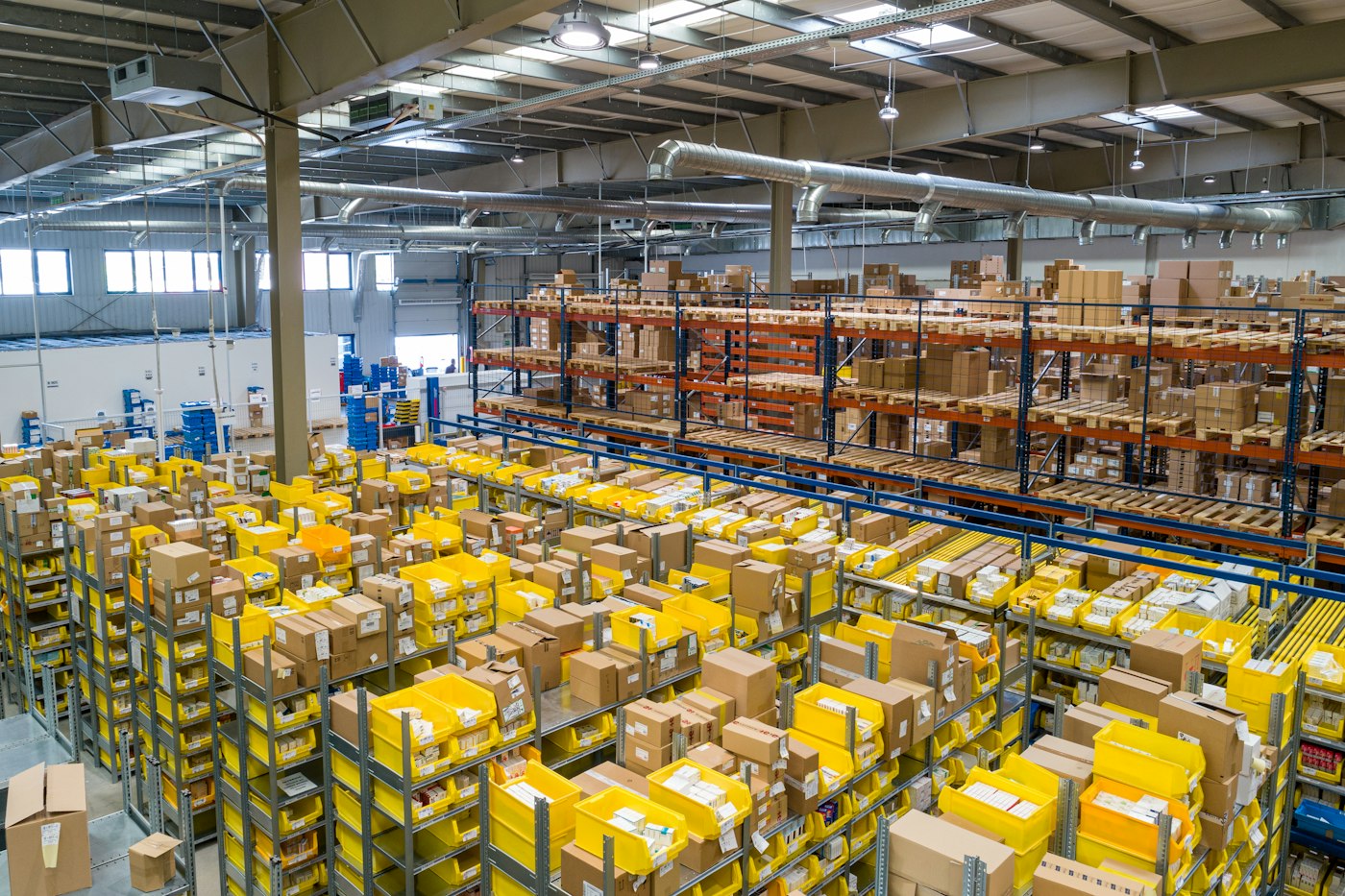
In a food warehouse, one night above the allowed temperature can mean a lorry of stock written off — and an angry customer. On a factory line, an unplanned utility stop stops production; every hour has a price. The issue is not that you “did not know” checks matter; it is that the person doing the check was in another hall, or the paper note disappeared.
Smart monitoring with sensors and a web platform does not replace mechanics or shift leaders. It gives everyone the same picture, on time: current temperature, which machine has been down, where a threshold was crossed. At IOTNetWEB we often tie this data to email/SMS alerts and to reports finance or QA can use without calling dispatch.
What we usually measure
- Temperature and humidity — cold rooms, warehouses, sensitive production areas
- Machine state — dry contacts, power draw, run hours (depending on equipment)
- Levels — tanks, silos, where a sensor makes sense
- Energy by area — where you want to see waste, not only the total bill
Data travels over the network (cable, industrial Wi-Fi, LoRaWAN in large halls or yards) to a monitoring panel on phone or laptop.

Why automated reports matter
Without a system, someone fills Excel at week’s end — if they get to it. With automation:
- history is continuous, not memory fragments;
- alerts fire when a limit is crossed, not when the energy invoice arrives;
- audits (HACCP, ISO, large customers) become exports, not paper hunts.
That is not bureaucracy for its own sake; it is proof you controlled conditions — useful when a complaint or inspection appears.
Where ROI shows up
- Stock losses — fewer compromised products
- Unplanned downtime — faster response
- Energy — you spot phantom loads or bad settings
- Staff — fewer “just checking” walks through halls
- Decisions — you see patterns (e.g. machine X stalls after six hours)
ROI is not always instant; many projects start with 5–15 critical points, not the whole plant at once.
Questions to ask an integrator
- What happens if the internet drops? (local buffer, retransmit)
- Who gets alerts and how do we avoid notification fatigue?
- Can we grow the number of sensors in phases?
- Do data stay in Romania / the EU? Backups?
- What does integration with your ERP or maintenance look like?
Clear answers here avoid demos that look great and production that feels empty.
Without data, “optimisation” is guesswork
Many managers know they lose something on temperature or downtime, but cannot show the number. After a few months of history, patterns appear: the door that does not seal, the machine that stalls after X hours, the shift that uses more energy. That is not Big Data — it is steady measurement, available in the browser.
Small first steps, not the whole plant at once
We often recommend: 3–5 critical points (the coldest room, the costliest line to stop), simple alerts, then expansion. After the first quarter, clients usually know exactly which sensor comes next — the decision is no longer theoretical.
On software, the panel can email a weekly report to the technical director while dispatch gets only critical alerts. That separation cuts noise and makes it more likely someone reacts when it matters — not after the tenth useless notification. You see ROI before buying hundreds of sensors. IOTNetWEB can stay a long-term partner — the same platform grows with you.
People and sensors — complementary, not rivals
Automation does not replace dispatch; it removes the “paper note” role. People stay for decisions, interventions, relations with maintenance vendors. Sensors add objectivity when shifts are tired or costs are under pressure.
Reporting for audits without extra weekends
When an auditor asks for temperature logs for last quarter, exporting from the platform beats searching folders. We configure retention and export formats up front so compliance does not become a fire drill.
How IOTNetWEB helps
We design the sensor network for your space, build the web platform (dashboard, reports, users), and stay for hosting, updates, and support. We combine IoT/utility experience with custom software development — one language from sensor to screen.
Got a hall or warehouse that “runs on habit” but feels risky? Describe the situation briefly — we will say what monitoring makes sense now and what can wait for phase two.
Posted on Aug 08, 2026.