

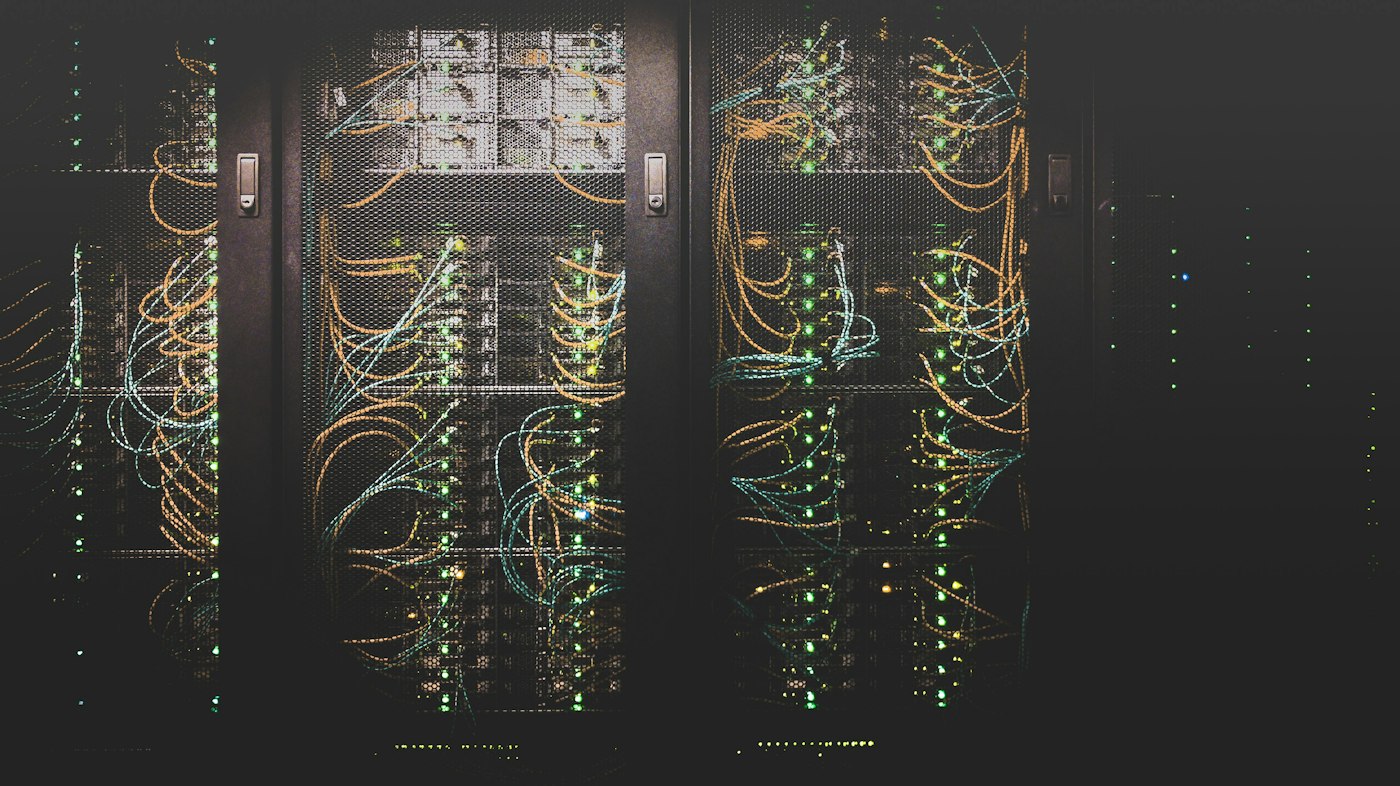
When meters send indexes on their own and your warehouse temperature appears on your phone, your data moves continuously — not only when someone opens a spreadsheet. That is good for efficiency; it is also a responsibility. An automation platform without serious web infrastructure is like a safe left slightly open: fine until it is not.
This is not about paranoia. It is about simple habits: updates, backups, limited access, encrypted connections — what B2B clients, utilities, and property associations expect when they sign a contract.
Where your data lives in IoT projects
- At the edge — sensor or gateway (readings, states)
- In transit — LoRaWAN radio, then secured internet to the server
- On the platform — databases, history, users, reports
- On export — billing, ERP, email integrations
Each layer needs thought. “The site has SSL” is not enough; who holds the admin password, where backups live, and what gets logged all matter.

GDPR and utilities — short and practical
Residential or municipal projects often involve data that can identify people (unit, consumption). GDPR is not a drawer document: collect only what you need, role-based access, retention limits, export/delete where applicable.
We do not provide legal advice; we build platforms so you can apply policies from your lawyer or DPO — not rebuild from scratch on improvised software.
Infrastructure that counts
Secure, monitored hosting
Maintained servers, not a forgotten VPS. Monitored uptime, sensible sizing, separate test and production when the project needs it.
SSL/TLS — the browser padlock
Any login, any serious form runs over HTTPS. Visitors see trust; attackers have a harder time intercepting.
Tested backups
Automated copies, stored separately, restore verified — not a tick box “we have backup”.
Updates and access
Strong passwords, 2FA where possible, few administrators, action logs for sensitive accounts.
What to ask your IT partner
- Where is the platform hosted (country, provider)?
- How often are backups taken and who tested restore?
- How is staff / contractor access handled?
- What happens to data at contract end?
- Is there an incident plan (who calls whom, how fast)?
The list is short; the answers tell you whether you are on hope or on process.
If you are accountable for customer or tenant data, document simply: who accesses the platform, how long history is kept, how accounts are removed on request. It does not need to be a novel — it must exist. We adapt the web platform so exports and logs support legal requirements.
Small incidents vs crises — preparation makes the difference
A human mistake (deleting a report by accident) is fixed from backup in hours. A successful attack on an unpatched server can stop operations for days. There is no “immunity”, there is response time and copies of data. IoT platforms are valuable for history — losing it is like burning consumption ledgers.
Why the same partner for build and hosting matters
When someone else wrote the code and someone else hosts it without context, restore takes longer. When IOTNetWEB builds and operates, we know which services run, which cron jobs exist, where sensor API keys live.
Shared passwords — a habit to avoid
“The admin password is on a post-it” or one password for every vendor — we see it often. Fix: separate accounts, least privilege, review when someone leaves. Costs nothing, cuts a lot of risk.
A simple audit once a year
Check SSL active, backup tested, admin list, pending updates. Thirty minutes, sometimes with our maintenance help. Not a replacement for enterprise pen tests, but catches 80% of usual holes. That shortens incidents — it does not remove them, but makes them survivable.
How IOTNetWEB helps
We build monitoring platforms and custom applications with hosting, maintenance, SSL, and backups in clear packages. We work with field data (sensors, meters) — we know losing consumption history or alert logs hurts operations, not only “IT”.
Want an honest look at your current platform? Contact us — we can talk infrastructure, backups, and small steps that actually raise your security level.
Posted on Aug 02, 2026.